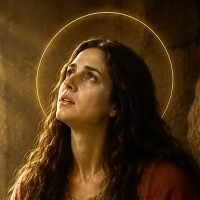
What Have We Done to Mary Magdalene - 7 Week Online Course
£ 55.00 GBP
What Have We Done to Mary Magdalene?
A Seven-Week Return to the Ancient Sources
We begin Thursday, 19 November.
I have loved Mary Magdalene for many years. Some of the stories that first drew me close to her are stories I have since had to lay down. There is grief in that. There is also a kind of freedom in opening the Gospel again and finding her there, weeping outside the tomb, hearing Jesus speak her name.
We begin with Mary Magdalene: A Reckoning. Over seven weeks, we will go back to the sources, step by step, to clear her name of the false accounts and New Age impersonations that have gathered around it. Where did the story of Mary as a priestess of Isis come from? What evidence is there for the claims that she taught tantra or was secretly married to Jesus? Who first told these stories, and what did they draw upon?
Our journey begins with Scripture and takes us into manuscripts and traditions many of us in the West have rarely had a chance to read. In the Gospel of Peter, Mary Magdalene takes her friends to the tomb at dawn because they want to mourn Jesus. They wonder who will move the stone. If they cannot get inside, they decide they will leave what they have brought at the entrance and weep for him there. I find that small detail almost unbearable in its tenderness.
In the Epistle of the Apostles, an early Christian work preserved in full in Geʽez, the women bring news of the Resurrection and the disciples refuse to believe them. So Christ goes to the disciples himself. The Coptic version names Mary Magdalene among the women at the tomb. In the Ethiopic version, Mary is the first to carry the news.
In the Gospel of Mary, preserved in Coptic and in two Greek fragments, the disciples are afraid to go out and preach. Mary, widely understood to be Magdalene, rises to steady them and reminds them of the Saviour’s grace. In the Coptic Pistis Sophia, Mary Magdalene steps forward to interpret something Jesus has just taught, drawing on words he spoke before. “The first will be last, and the last will be first.”
And in the Psalms of Heracleides, an ancient Manichaean collection preserved in Coptic, a Mary who recalls the Magdalene of John is called a “net-caster.” She goes looking for the eleven disciples who have strayed. I want to linger with that image. Where John tells us she went to announce the Resurrection, this poet imagines what it might take to gather frightened and scattered people again.
We will also follow the Eastern Orthodox tradition that honours Mary as Equal to the Apostles and remembers her burial in Ephesus. Here in France, many of us were told she lived out her days in Provence. When do those accounts first appear? What can they tell us about Mary and about the people who kept her memory alive?
With each source, we’ll ask when it was written, what it actually says, and how close it stands to the events it describes. Our evidence will come exclusively from texts and records we can trace and examine together. We’ll bring modern claims, including those made through channelling, before those sources.
For me, this is a reckoning with what I pass on in her name. I keep coming back to the words she carries from the garden to the other disciples. “I have seen the Lord.” I want us to hear what she came to say, and to let her witness bring us closer to the One who called her by name
With love,
Aletheia
Reckoning with the stories we tell about her!
- Mary Magdalene: A Reckoning!
Ancient Evidence, Fabricated Claims, and Our Responsibility to the Truth - Whose Mary Magdalene Are We Following?
Examining the Claims Through the Earliest Sources - The Reinvention of Mary Magdalene
How Far Have We Strayed from the Ancient Texts? - Mary Magdalene: In Her Name
What Is Being Taught—and What the Ancient Sources Actually Say - Have We Betrayed Mary Magdalene?
Re-examining Her Story Through Scripture and Ancient Manuscripts - Repenting on the Real Mary Magdalene
- Beyond Tantra, Isis Mysteries, Womb Workshops, and the Red Priestess Myth:
Recovering the Woman Who Followed Christ